kimpton miralina resort & Villas
Scope of work
Strategy - Branding - Naming - Interior Design
Location
Scottsdale, AZ
Photography : Joe Thomas - Eric Laignel
The project aimed to transform a dated, 1980s three-star resort, into a distinctly branded, four-plus-star destination resort within the upscale enclave of Paradise Valley. Spanning approximately 40 acres, the property comprises nearly 400 guestrooms and villas organized around expansive outdoor recreational spaces, all oriented toward unobstructed mountain views that anchor the experience in place.
Located in the heart of Scottsdale, Arizona, the Kimpton Miralina Resort & Villas has been reborn at the foot of the spectacular landscapes of the Sonoran Desert and the iconic peaks of Mummy Mountain and Camelback Mountain.
Shifting Perspectives. Experience the layered symphony of this vast desert landscape: its seasons, sights, and sounds, where every moment unfolds before you like a fresh perspective. Each sunrise reveals new rituals and rhythms,inviting you to connect with the desert’s vitality and ever-changing cadence. Here, the desert is made accessible, with all of its splendor scaled perfectly to your unique pace, by creating time & space for interludes of (self) discovery.

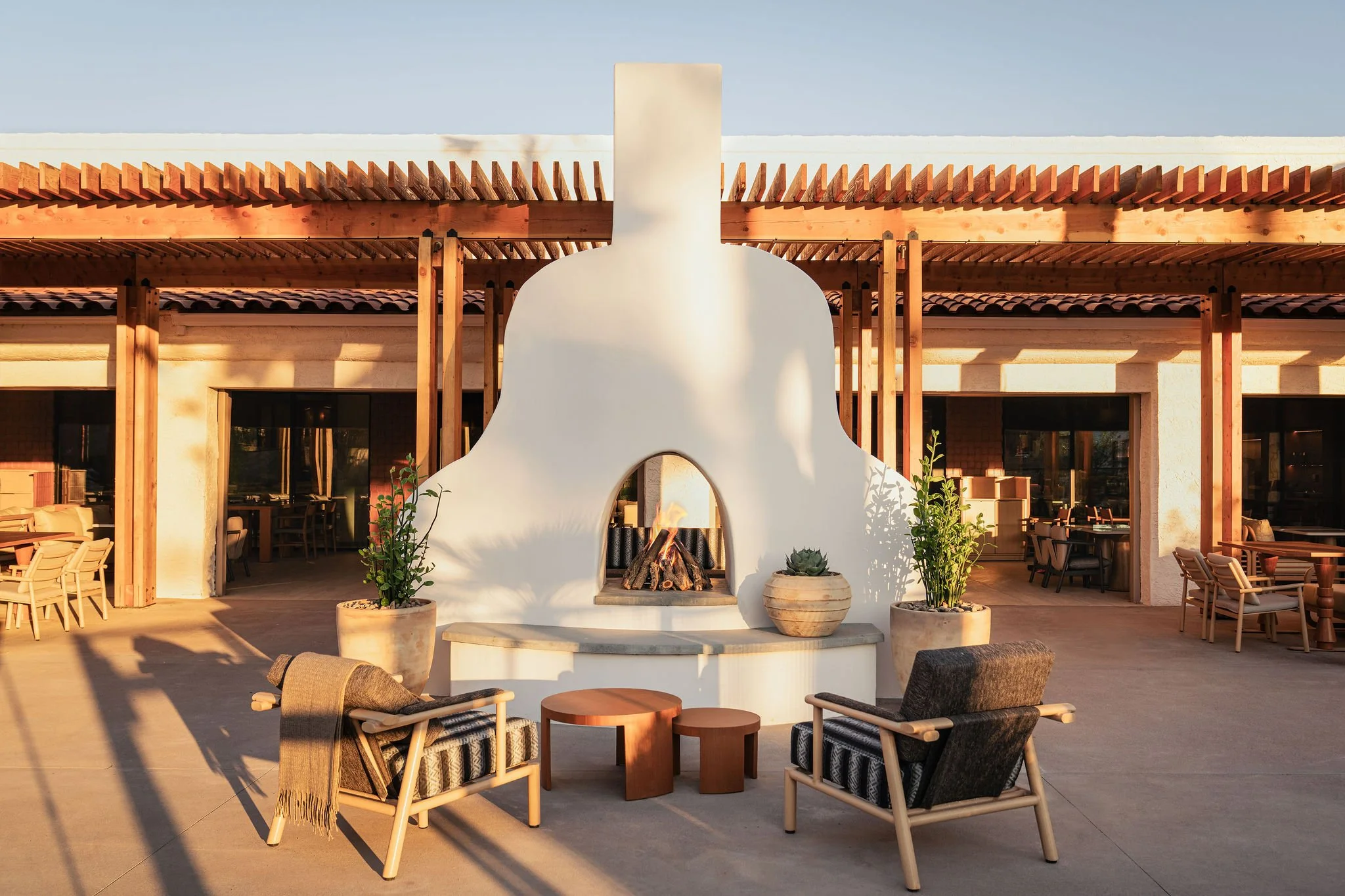


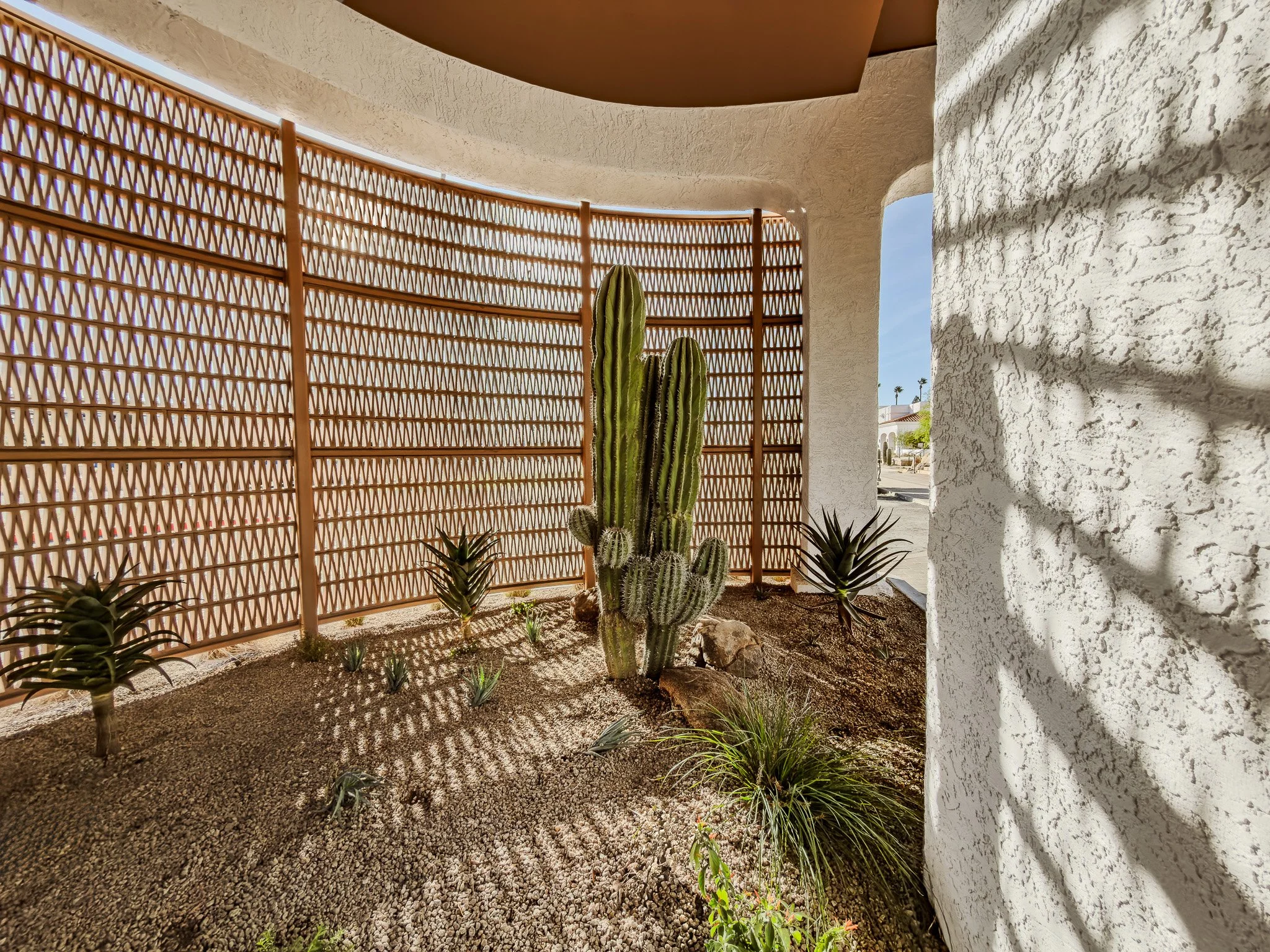
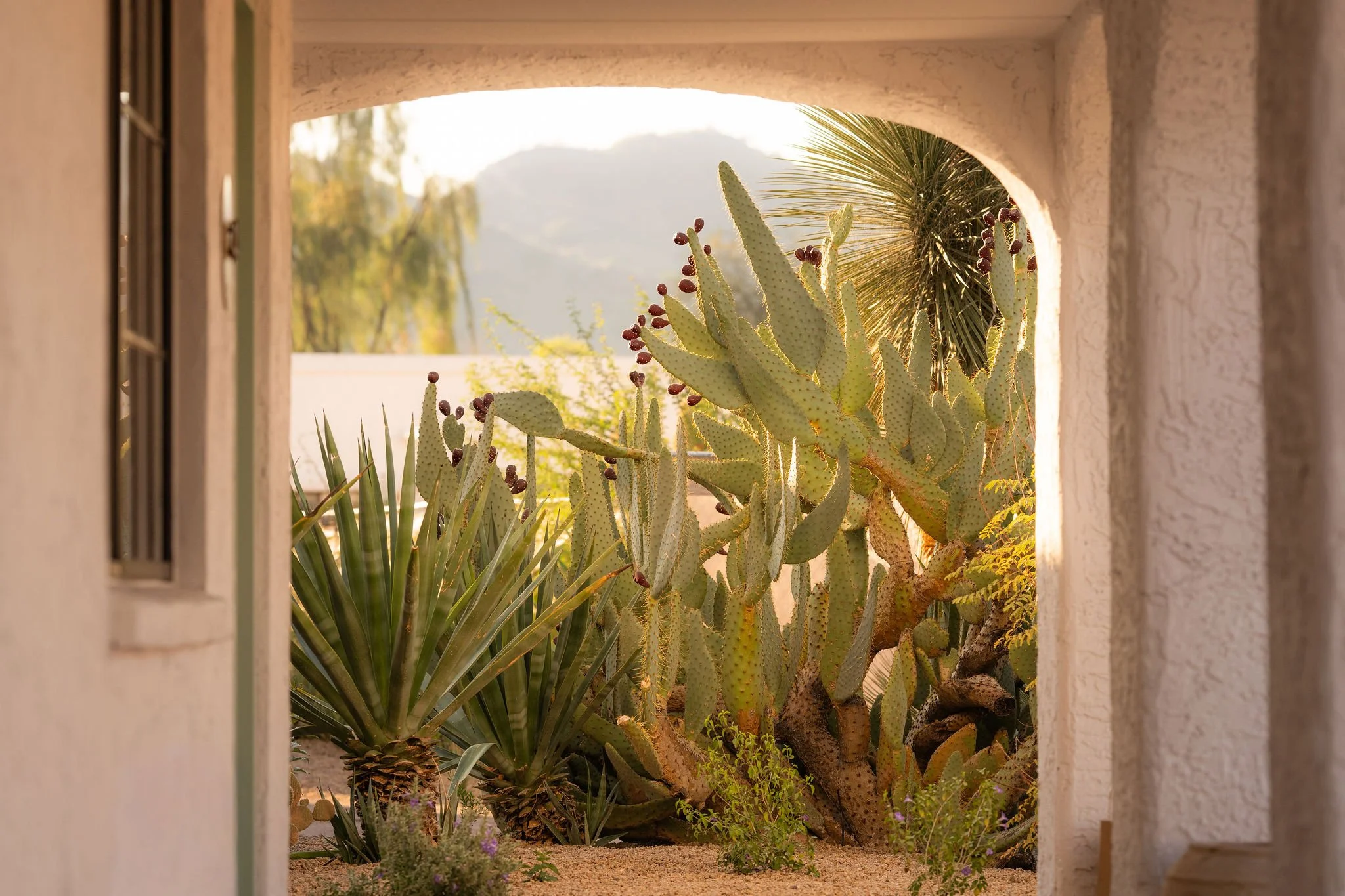
Outside, the lawns have been replaced by a garden designed with Hillman Workshop: agaves, Palo Verde, cacti, Joshua trees, and endemic species make up a water-efficient oasis, faithful to the Sonoran Desert ecosystem. The facades, finished in white troweled plaster inspired by the Hispanic architecture of the Southwest, gain luminosity while limiting heat absorption. Fire, a fundamental element of Southwest habitats, is embodied in a large Kiva fireplace, emblematic of traditional regional architecture. The gardens become a veritable playground. Six pools with distinct atmospheres are spread throughout the complex: some lively and convivial, others calm and intimate, all opening onto the mountains and lulled by the murmurings of the desert.



The rooms have been designed as nature-inspired retreats. The walls feature subtle shades that reflect the changing tones of the Arizona sky. Natural materials dominate: light wood, textured fabrics, mineral finishes. The soft lines of the furniture reflect the organic shapes of the landscape, transforming the room into an indoor extension of the desert. From king-size rooms to casitas with living rooms and bars, each space extends the experience of a stay immersed in the Sonoran Desert.






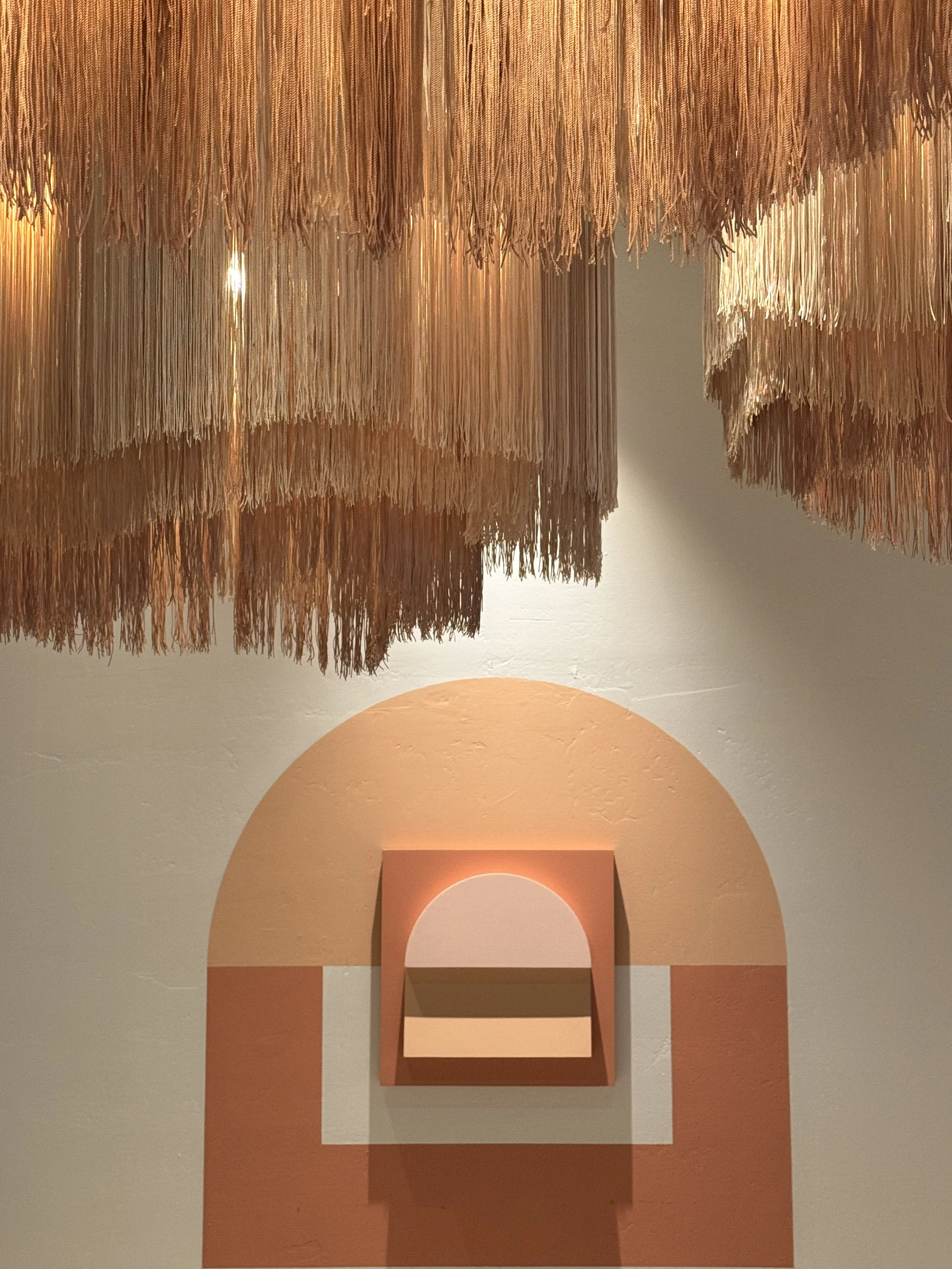
At the heart of the common areas, a monumental textile installation, The Giant Loom, highlights the artisanal dimension of the project. Designed by Saguez & Dash and created by artist Mariella Motilla for Obakki, the work runs through the lobby like a common thread. This giant loom symbolically connects the spaces and circulation routes. Its panels evoke the contours of Camelback Mountain and the lines of Mummy Mountain. Produced ethically in a village in Mexico, the installation revisits the traditional weaving techniques of native communities.
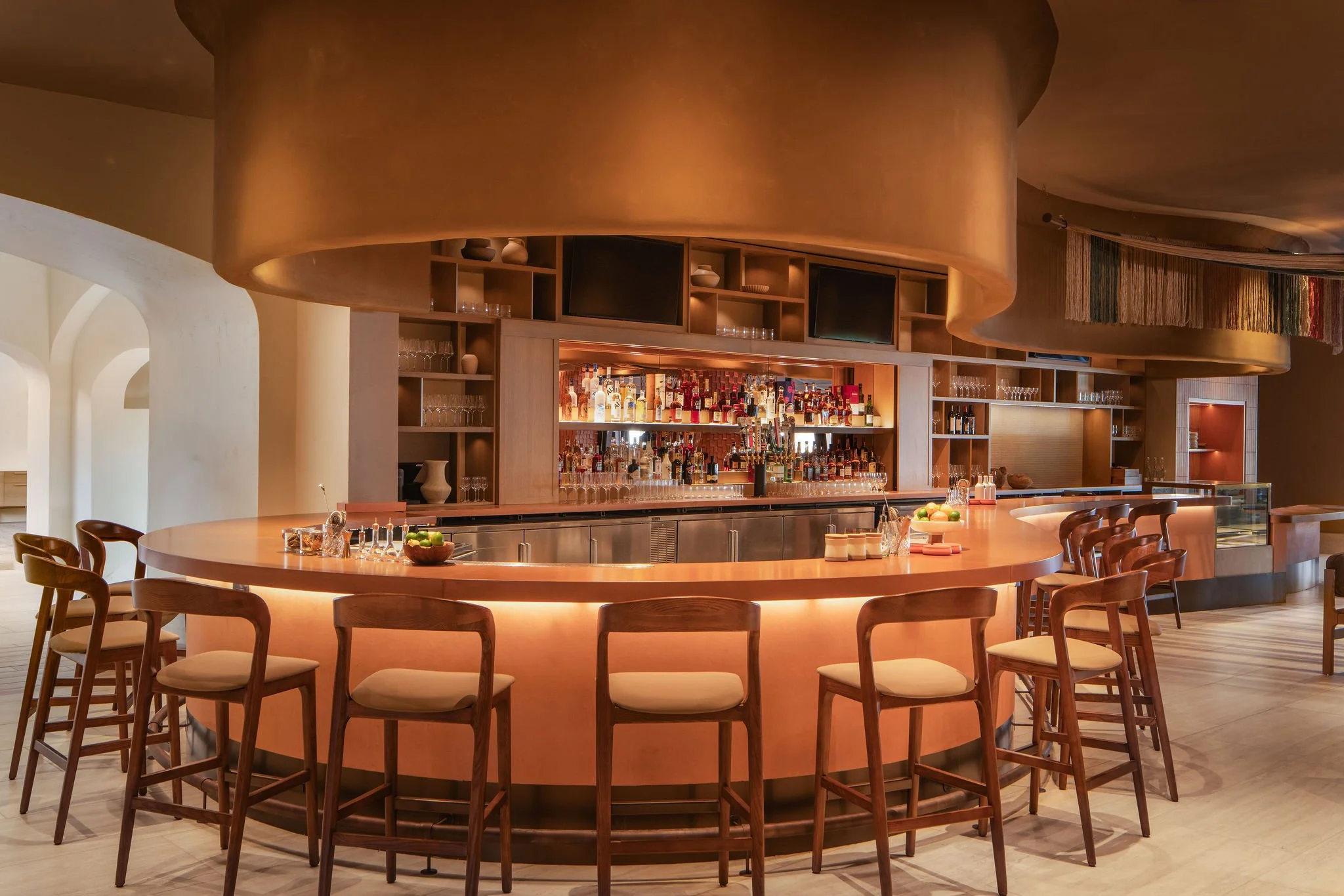
Once dark and fragmented, the lobby has been transformed into a space connecting the carriage entrance to the vast interior garden, directly in line with Mummy Mountain. Circulation is fluid; the restaurant, bar, and lounge intertwine in a natural continuity.